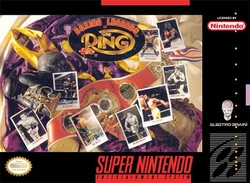
George Foreman
Two-time heavyweight champion and namesake of the George Foreman Grill.

George Foreman is a two-time world heavyweight boxing champion and the namesake of the George Foreman Lean Mean Fat-Reducing Grilling Machine, a portable double-sided electrically heated grill manufactured by Spectrum Brands. Since its introduction in 1994, over 100 million George Foreman grills have been sold worldwide. The grill was promoted by Foreman through distinctive infomercials, and his tagline, "It's so good I put my name on it!", became part of popular culture.
- known_for
- Two-time world heavyweight champion, Olympic gold medalist, George Foreman Grill
Verified Timeline
Lore & Background
The concept for the grill was created by Michael Boehm of Batavia, Illinois, who designed an indoor grill that cooked on both sides at once and reduced fat content by draining it into a separate reservoir. Boehm designed a floating hinge and slanted grilling surface. Engineering work was performed by Bob Johnson. Boehm and Johnson brought a JVC camcorder and a bright yellow sample to Barbara Westfield at Salton, Inc., playing a video of fat dripping into a collection tray. They presented the product as "The Fajita Express." The slanted grill concept was also pitched by Tsann Kuen to Salton, Inc. After one year and several trade shows, Salton sent samples to George Foreman's colleagues, who then sent the grill to Foreman to test. Boehm was not involved in teaming up the grill and Foreman. Salton removed the four risers meant for taco shell trays, reshaping the product into the Lean Mean Fat-Reducing Grilling Machine, introduced in 1994.
Reader's Guide
The grill's clamshell design simultaneously heats the top and bottom surfaces of food, eliminating the need to flip it. Each heating surface is grooved to reduce contact area and covered in a non-stick coating. The lower surface is angled to allow hot, liquid fat to drain through grooves into a removable drip tray, marketed as a way to "knock out the fat." The grill is offered in various sizes. In 2006, the "Next Grilleration" Health Grill launched with detachable grilling plates. In 2014, the "Evolve Grill" was released with interchangeable PTFE-free ceramic plates, including traditional grill plates, waffle plates, a bake dish, mini burgers, a flat griddle, and a muffin pan. The worldwide popularity resulted in sales of over 100 million units in a little over 15 years. Salton, Inc. paid Foreman $138 million in 1999 to buy out the right to use his name; previously he was paid about 40 percent of profits on each grill, earning $4.5 million a month at its peak, with total estimated earnings over $200 million.
Did You Know?
- The grill was originally pitched as 'The Fajita Express' and included trays for filling taco shells.
- Foreman was paid about 40 percent of the profits on each grill sold, earning $4.5 million a month at its peak.
- Salton, Inc. paid Foreman $138 million in 1999 to buy out the right to use his name.
- In Asia, the grill has been endorsed and promoted by both George Foreman and Jackie Chan.
- Hulk Hogan's claim that he was the first choice for the grill was debunked by the family of inventor Michael Boehm.
From Fajita Express to a Household Name
The idea for what would become a best-selling kitchen appliance originated in Batavia, Illinois, where inventor Michael Boehm set out to build an indoor grill that cooked food on both sides simultaneously while draining excess fat into a separate reservoir. His design featured a floating hinge and a slanted cooking surface to handle items of different thicknesses and direct grease away from the food. Engineer Bob Johnson handled the technical work. To pitch the product, Boehm and Johnson brought a JVC camcorder and a bright yellow prototype to the office of Barbara Westfield at Salton, Inc., playing a video of fat dripping into a collection tray. They called it "The Fajita Express" and showed it at industry trade shows in the early 1990s, but it drew little interest. The slanted-grill concept was subsequently pitched to Salton by Tsann Kuen. After about a year of trade-show exposure, Salton sent samples through Foreman's colleagues to the boxer for testing. Boehm, notably, had no role in matching the grill with Foreman. Salton also removed the original four risers that had let users slide in taco-shell trays, reshaping the fajita device into the leaner, more universal grilling machine that launched in 1994.
Engineering a Healthier Way to Grill
The grill's signature clamshell form heats the top and bottom of food at the same time, removing the need to flip anything mid-cook. Each cooking surface is grooved to reduce the area in direct contact with the food and is coated with a non-stick finish. The lower plate is angled so that hot liquid fat and other fluids slide through the grooves and collect in a removable drip tray, which lets the user see exactly how much grease was knocked out of the meal. This feature was marketed as a healthier cooking method. The product is available in various sizes to handle single servings or larger batches. In 2006, the "Next Grilleration" Health Grill arrived with detachable grilling plates designed for easier cleaning. By 2014, the "Evolve Grill" introduced interchangeable PTFE-free ceramic plates, expanding the lineup to include traditional grill plates, waffle plates, a bake dish, mini-burger molds, a flat griddle, and a muffin pan, giving owners a versatile multi-cooking appliance.
A Billion-Dollar Endorsement
Launched in 1994 with distinctive infomercials starring the two-time heavyweight champion, the grill became a cultural phenomenon. Foreman's warm, approachable demeanor combined with the product's unique fat-draining features to create a marketing juggernaut. His tagline, "It's so good I put my name on it!", entered the broader lexicon of popular culture and remains instantly recognizable decades later. The commercial results were staggering: more than 100 million units were sold worldwide in a little over fifteen years. Foreman's financial windfall from the endorsement substantially exceeded what he had earned across his entire boxing career. He was paid roughly 40 percent of the profits on every grill sold, which at the product's peak translated to about $4.5 million per month. In 1999, Salton, Inc. paid $138 million to buy out the rights to his name, and the total endorsement payout is estimated to have exceeded $200 million. In Asian markets, the grill was co-endorsed by both Foreman and Jackie Chan, extending its global reach even further.
Imitators, Rivals, and the Hogan Myth
The Foreman Grill's dominance inspired a wave of celebrity-branded competitors, including the Evander Holyfield Real Deal Grill, which Holyfield promoted in a 2007 infomercial, and the Carl Lewis Health Grill. None of these imitators came close to matching the Foreman Grill's sales or cultural footprint. In Asia, the same underlying grill was marketed as the Jackie Chan Grill, with both Chan and Foreman lending their names to the product for that region. Perhaps the most persistent myth surrounding the grill involves professional wrestler Hulk Hogan, who repeatedly claimed he was the original first choice for the endorsement but missed the call because he was picking up his children from school. He told the story on his reality show Hogan Knows Best and in other interviews over the years. However, the family of inventor Michael Boehm firmly debunked the tale, stating that Foreman was the only celebrity ever approached for the deal. Hogan did eventually launch the Hulk Hogan Ultimate Grill, which was later recalled due to fire hazards.
Frequently Asked Questions
Who is George Foreman?
George Edward Foreman, born January 10, 1949, is an American former heavyweight boxer, entrepreneur, minister, and author who fought professionally from 1967 to 1997. He is best known by his nickname 'Big George' and his status as a two-time world heavyweight champion.
What are George Foreman's major boxing achievements?
Foreman won the Olympic heavyweight gold medal in 1968 and later captured the world heavyweight title on two separate occasions. At age 45, his 1994 knockout of Michael Moorer made him the oldest fighter ever to hold the heavyweight crown.
What is George Foreman famous for outside the ring?
Beyond boxing, Foreman became a global household name through the George Foreman Grill, the branded cooking appliance he licensed in the mid-1990s. He also serves as a Christian minister and has written several books.
How did George Foreman's boxing career end?
After his historic comeback in 1994, Foreman kept fighting until 1997, when he dropped a split decision to Oliver McCall. That loss in Houston marked his final professional bout, closing out a career that spanned three decades.
Why is George Foreman important to boxing history?
Foreman remains the only heavyweight to win the world title in two different decades, a distinction no other fighter has achieved. His ferocious left hook and sheer knockout power set a standard for heavyweight dominance that still echoes through the sport today.
More in Boxing Legends 1-24
Elsewhere in the Boxing Legends universe
Spotted an error? Know more?
This is a living reference — every entry is fact-audited, and reader corrections feed straight into our audit queue. Suggest an edit · See this site's audit record